 |
|
How Classic Board Games Build Strategic Thinking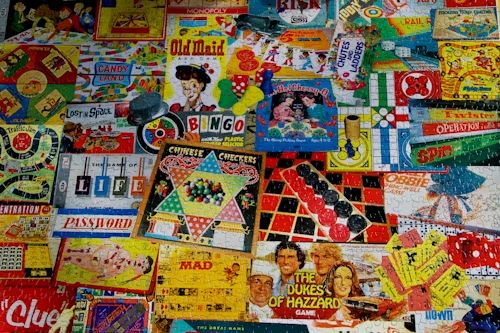 Classic board games have lasted for generations because they reward more than luck. Chess, backgammon, checkers, reversi and similar games teach players how to plan ahead, read patterns and adapt under pressure. Even when the rules are simple, the decisions can become surprisingly deep. That balance is what makes traditional board games valuable for anyone who enjoys thoughtful play. Strategy begins with patienceMany board games teach one lesson early, rushing rarely helps. A player who moves too quickly may win a small advantage but lose control of the wider position. This is especially clear in chess, where every move changes the shape of the board. It is also true in checkers, where an aggressive capture can open space for an opponent’s counterattack.Patience does not mean passive play. It means taking time to understand the position before acting. Strong players usually ask themselves:
This mindset is useful beyond board games. It reflects the kind of clear thinking needed in many competitive and decision-based environments, from puzzle solving to trading card games and digital strategy titles. Pattern recognition changes everythingExperienced board game players often appear to think several steps ahead, but much of their skill comes from recognising familiar patterns. A chess player sees common attacking shapes. A backgammon player notices distribution, timing and exposed pieces. A reversi player understands how corners and edges influence the endgame.Pattern recognition improves through repetition. The more positions a player sees, the easier it becomes to identify danger and opportunity. This is why regular play matters. Every match adds examples to the player’s memory. The same habit appears across many games of skill and chance. Players who compare rules, formats and incentives often become better at understanding how different systems work. For example, people researching casino bonuses may look closely at terms, limits and conditions rather than focusing only on the headline offer. The broader lesson is similar, details matter when decisions have consequences. Board games make that lesson visible on the table. One overlooked square, one weak formation or one poorly timed exchange can change the entire match. Planning ahead without overthinkingStrategic thinking often involves looking into the future, but it is easy to overdo it. New players sometimes try to calculate every possible outcome and become stuck. Good board game strategy is more practical. It combines planning with flexibility.A useful approach is to think in short stages:
This process teaches players to balance confidence with caution. A plan is valuable, but only when it responds to what is actually happening. Different games teach different skillsOne reason classic board games remain interesting is that each game develops a slightly different form of thinking. Chess rewards long-term planning and positional awareness. Checkers teaches tempo, forcing moves and tactical traps. Backgammon blends probability with board control. Reversi encourages patience and late-game calculation.These differences make board games useful training grounds for a wide range of mental skills. Classic games can help players develop:
The emotional side is especially important. Board games often create moments where players must accept a mistake and continue calmly. Losing focus after one bad move can cause several more. Learning to reset mentally is one of the most valuable skills any player can build. Why slower games still matter onlineDigital entertainment is often fast, colourful and immediate, but slower strategic games still have a place. Online board game platforms show that many players enjoy thinking carefully, testing ideas and improving over time. The appeal is not only victory. It is the satisfaction of becoming sharper.Classic board games also encourage respectful competition. Players share the same rules, the same board and the same need to think clearly. Every win feels earned because it comes from decisions made across the match. For beginners, the best way to improve is simple. Play regularly, review mistakes and focus on one skill at a time. A chess player might study opening principles. A backgammon player might practise probability judgement. A reversi player might learn corner control. Small improvements add up quickly when players stay consistent. Strategic thinking grows through playClassic board games remain powerful because they make thinking visible. Every decision appears on the board and every mistake becomes part of the lesson. Players learn patience, pattern recognition, planning and emotional control through direct experience.That is why these games continue to attract thoughtful players in both traditional and online formats. They are easy to learn, difficult to master and endlessly useful for building sharper decision-making habits. Whether someone plays casually or competitively, each match offers another chance to think better than before. |
Date and time
Friends online
Favourite boards
Fellowships
Tip of the day
|
|


Copyright © 2002 - 2026 Filip Rachunek, all rights reserved. Back to the top |